Spain, with its vibrant culture and bustling economy, is a significant hub for international trade. E-commerce continues to explode, and the efficient delivery of parcels within the country is more critical than ever. Navigating the intricacies of “last-mile delivery” – the final leg of the journey from a distribution center to the customer’s doorstep – can be challenging. This article dives deep into the last-mile delivery solutions available for parcels originating from Spain, offering valuable insights for businesses and individuals alike. We’ll explore the current landscape, the challenges, and the innovative strategies shaping the future of parcel delivery in the Iberian Peninsula, focusing on optimizing efficiency and customer satisfaction.
The Landscape of Last-Mile Delivery in Spain
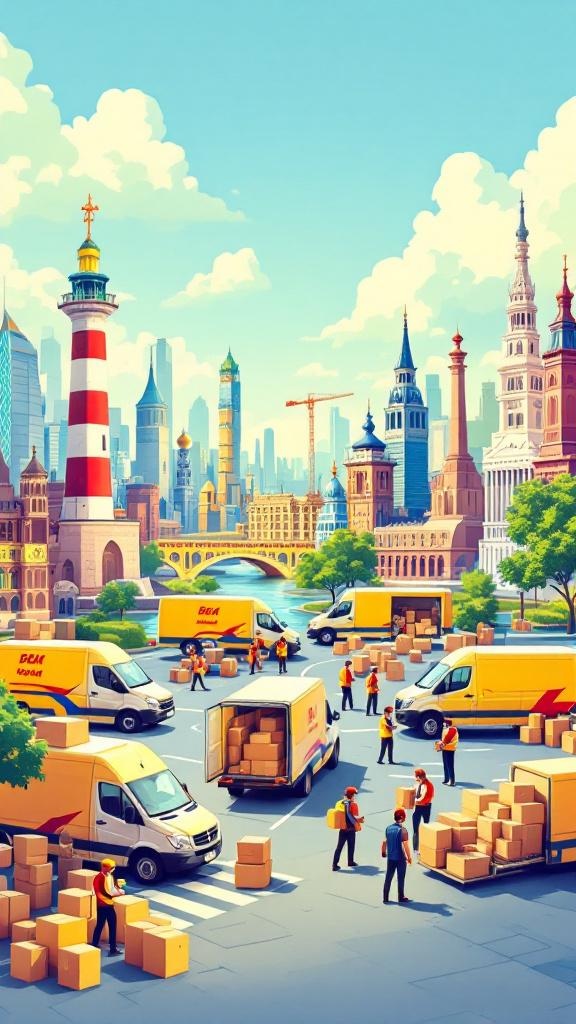
The Spanish market presents a unique set of logistical hurdles. From the dense urban centers of Madrid and Barcelona to the sprawling rural landscapes, businesses need to adopt flexible and adaptable strategies. Road infrastructure varies considerably, with some areas suffering from congestion and others experiencing accessibility limitations. Furthermore, customer expectations are constantly rising, demanding faster delivery times, transparent tracking, and convenient delivery options.
Several key players dominate the last-mile delivery space in Spain, including national postal services (Correos), international courier giants (DHL, UPS, FedEx), and increasingly, specialized last-mile providers. These specialized companies often focus on niche services like same-day delivery, green delivery options, or deliveries tailored to specific industries like pharmaceuticals or food. The rise of e-commerce has spurred fierce competition, driving innovation and improvements in delivery services.
Furthermore, the impact of rising fuel costs, labor shortages, and regulatory changes, such as the implementation of Low Emission Zones (LEZs) in major cities, adds further complexity. Businesses must constantly reassess their delivery strategies to maintain profitability and meet evolving consumer demands while adhering to environmental regulations.
Key Challenges and Solutions for Efficient Parcel Delivery
Overcoming Obstacles in the Delivery Process
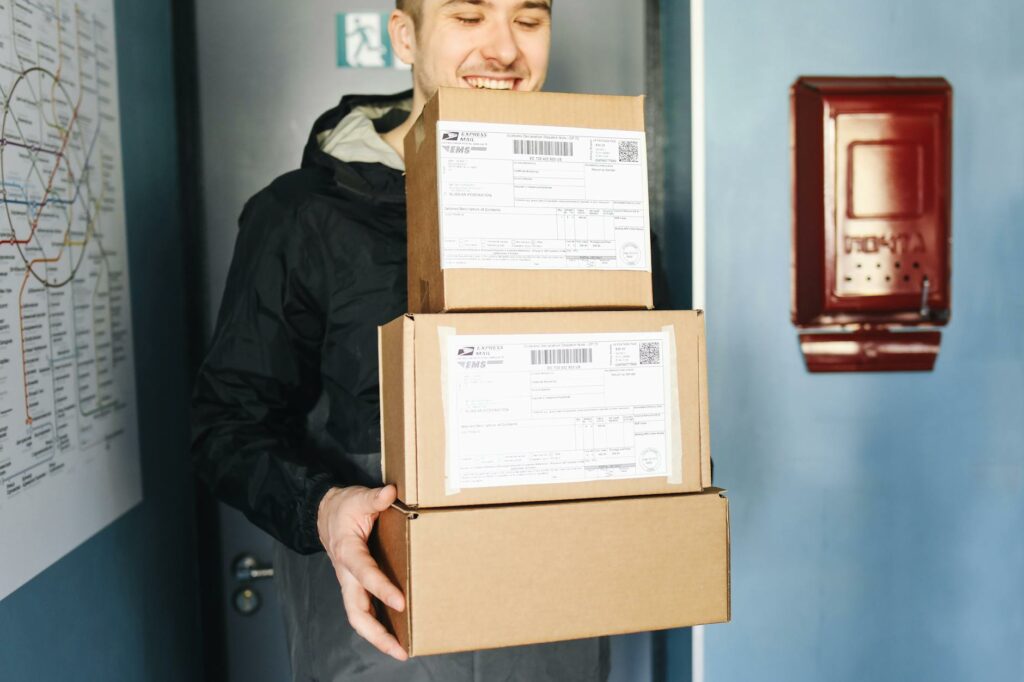
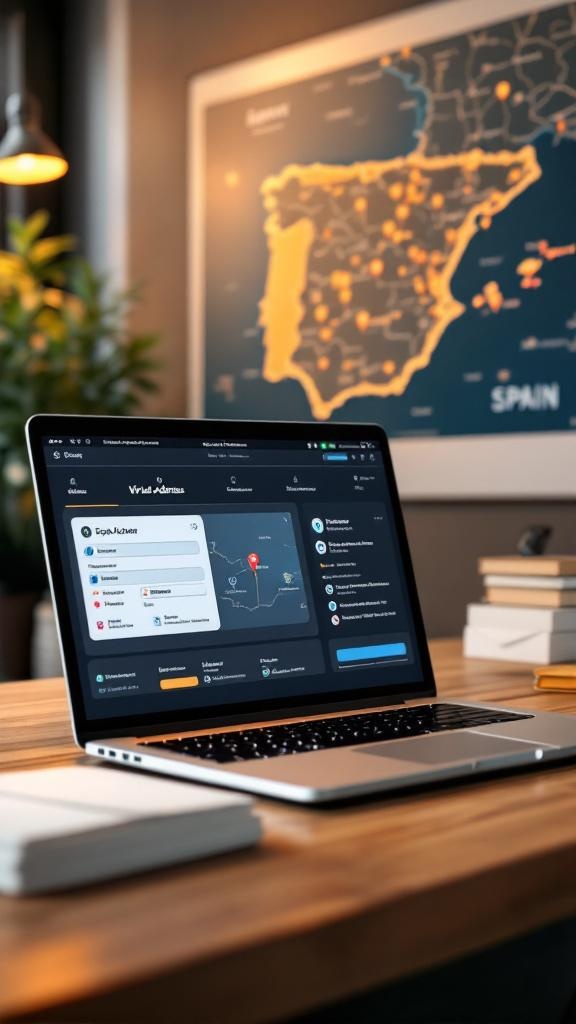
One of the primary challenges is dealing with failed deliveries. Incorrect addresses, absent recipients, and security concerns can lead to significant delays and increased costs. Smart address verification systems, allowing customers to input specific instructions (e.g., “leave with neighbor”) during checkout, are vital. Real-time tracking with precise ETA updates, which enable recipients to anticipate their deliveries, minimizes failed delivery attempts.
Optimizing delivery routes is also crucial. Leveraging route optimization software that considers traffic patterns, delivery windows, and vehicle capacity can significantly reduce fuel consumption and delivery times. Using strategically located micro-fulfillment centers within urban areas allows for faster last-mile deliveries, helping to fulfill the desire for quick delivery. These micro-fulfillment centers can be stocked locally, allowing for faster and more efficient delivery of parcels to customers in the surrounding areas.
Moreover, investment in technology, such as Artificial Intelligence (AI) and Machine Learning (ML), can enhance the efficiency of the entire delivery process. AI-powered systems can analyze historical data to predict delivery demand, optimize routing, and personalize customer communication. ML can automate processes and identify areas for improvement, enhancing overall operational efficiency.
Another critical aspect is embracing sustainable delivery practices. Electric vehicles (EVs), cargo bikes, and the utilization of public transport for last-mile deliveries help reduce carbon emissions and improve air quality in urban areas. Using eco-friendly packaging and offering carbon-neutral delivery options are also gaining popularity among environmentally conscious consumers. Collaboration between businesses and local authorities to promote sustainable logistics is key for future growth.
| Challenge | Solution | Benefit |
|---|---|---|
| Failed Deliveries | Address Verification, Real-time Tracking, Delivery Instructions | Reduced Costs, Increased Customer Satisfaction |
| Inefficient Routing | Route Optimization Software, Micro-fulfillment Centers | Reduced Fuel Consumption, Faster Delivery Times |
| Environmental Impact | Electric Vehicles, Eco-friendly Packaging, Carbon-Neutral Options | Reduced Carbon Footprint, Improved Brand Image |
| Lack of Delivery Options | Partnering with Different Delivery Services, Providing Flexible Timeslots, Utilizing Parcel Lockers | Enhanced Customer Experience, Greater Convenience |
By addressing these challenges and implementing effective solutions, businesses can enhance their last-mile delivery performance in Spain, improve customer satisfaction, and gain a competitive edge in the evolving e-commerce market. The ability to adapt and innovate will be key to success.